
Labubu United States Market Trends and Future Growth Opportunities 2026
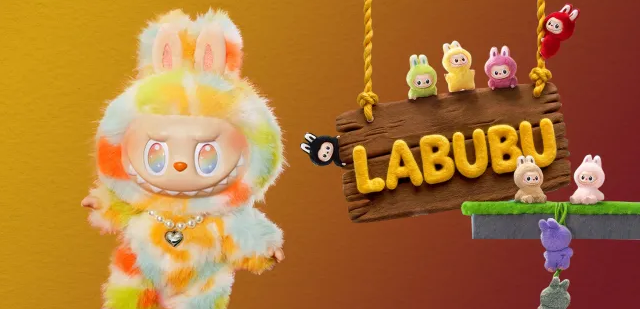
The Labubu collectible phenomenon in the United States has evolved from a niche designer toy into a mainstream pop culture asset driven by labubu doll blind-box excitement, social media influence, and fashion integration. In 2026, the U.S. market reflects a maturing stage where demand is no longer purely hype-based but increasingly shaped by long-term collector behavior, resale dynamics, and brand diversification strategies. While Labubu remains a leading IP under Pop Mart, the overall market is expanding into multiple character lines, signaling a shift toward ecosystem growth rather than single-product dominance.
Rising Popularity of Designer Toy Culture in the U.S.
Designer toy culture in the United States is experiencing sustained growth as consumers increasingly treat collectibles as lifestyle accessories rather than simple toys. Labubu has become a central figure in this movement, often seen attached to bags, displayed in personal collections, and featured in social media unboxing content. The appeal is strongly driven by emotional storytelling, surprise-based purchasing, and limited-edition releases that create urgency. This cultural shift has transformed Labubu into both a fashion statement and a collectible investment, especially among Gen Z and millennial audiences who value expressive and shareable products.
Expansion of Pop Mart and Retail Growth in America
Pop Mart’s aggressive expansion in the U.S. market is a key driver of Labubu’s continued visibility and growth potential in 2026. The company has significantly increased its retail footprint through flagship stores, mall placements, and experiential pop-up events designed to attract younger consumers. This physical expansion is supported by strong online distribution channels, allowing Labubu drops to reach wider audiences more efficiently. At the same time, supply chain improvements and increased production capacity have made products more accessible, although scarcity remains part of the marketing strategy that sustains demand and collector interest.
Market Demand Shifts and Collector Behavior Changes
In 2026, U.S. consumer behavior around Labubu is shifting from speculative buying toward more stable collecting patterns. Early hype cycles were driven by scarcity and resale profit potential, but the current market shows a stronger focus on personal enjoyment, themed collections, and long-term retention. Collectors are also diversifying across Pop Mart IPs instead of focusing solely on Labubu, indicating a more balanced ecosystem. Secondary market activity still exists but is less volatile compared to earlier years. This stabilization suggests that Labubu is transitioning from a trend-driven product into an established collectible category.
Resale Market Trends and Secondary Value Stability
The Labubu resale market in the United States continues to play an important role in shaping overall demand, but it is becoming more structured in 2026. While rare editions and secret variants still command premium prices, average resale volatility has decreased compared to peak hype years. Platforms such as resale marketplaces and collector communities now emphasize authentication and long-term value tracking. This maturity in the resale ecosystem has reduced extreme price spikes but increased trust and sustainability in transactions. As a result, Labubu is increasingly viewed as a collectible asset rather than a short-term flipping opportunity.
Influence of Social Media and Celebrity Culture
Social media remains one of the strongest growth engines for Labubu in the U.S. market, with platforms like TikTok, Instagram, and YouTube driving continuous exposure. Influencer unboxing videos, fashion integrations, and celebrity endorsements have historically fueled viral spikes in demand, and this effect continues in 2026. However, engagement is now more community-driven rather than purely viral, with dedicated collector groups sharing drops, trades, and display ideas. This shift has helped stabilize long-term interest while still maintaining periodic surges during new releases or collaborations.
Counterfeit Challenges and Consumer Awareness
As Labubu’s popularity has grown, so has the issue of counterfeit products entering the U.S. market. Fake versions often mimic official designs but lack quality control and safety standards, creating risks for consumers. In response, buyers are becoming more educated about authentication methods, including packaging verification and official retailer sourcing. Pop Mart has also strengthened anti-counterfeit measures to protect brand integrity. This growing awareness is improving market safety and reinforcing trust in legitimate products, which is essential for sustaining long-term growth in the collectible toy industry.
Future Growth Opportunities for Labubu in the U.S.
Looking ahead, Labubu’s future in the United States is closely tied to brand expansion, media integration, and product diversification. The character is increasingly being positioned not just as a toy but as part of a larger entertainment ecosystem that may include animation, collaborations, and lifestyle merchandise. Growth opportunities also exist in premium collectibles, themed fashion accessories, and regional exclusives tailored for U.S. consumers. As the market matures, success will depend on balancing scarcity with accessibility while continuing to innovate storytelling and design.
Conclusion: Long-Term Outlook for Labubu in 2026
The Labubu market in the United States in 2026 is entering a more sustainable and structured phase of growth. While the explosive hype cycle has stabilized, demand remains strong due to cultural relevance, collector loyalty, and strategic expansion by Pop Mart. The future growth trajectory is no longer dependent on viral LABUBU Bag moments alone but on consistent brand evolution and ecosystem expansion. If current trends continue, Labubu is likely to maintain a stable position as one of the leading designer toy franchises in the U.S., with long-term opportunities across collectibles, fashion, and entertainment industries.

 Arabic
 French
 Spanish
 Portuguese
 Deutsch
 Turkish
 Dutch
Dutch
 Italiano
 Russian
 Romaian
 Portuguese (Brazil)
 Greek
Greek